


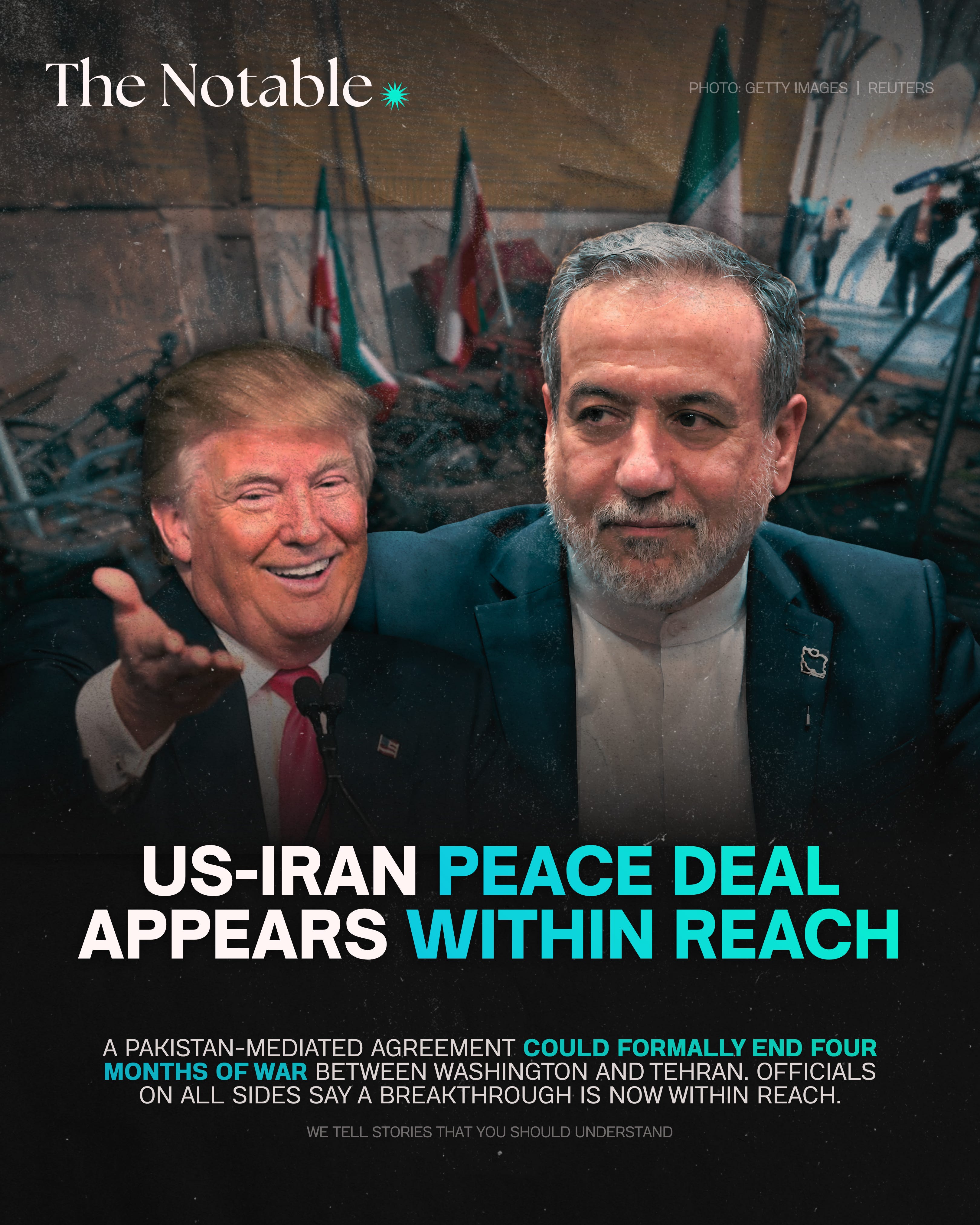
For the first time since war erupted between the United States and Iran nearly four months ago, officials on both sides are signaling that a diplomatic breakthrough may be close.
Negotiators have reportedly finalized the text of a Pakistan-mediated agreement known as the Islamabad Memorandum of Understanding, a framework designed to end active hostilities and begin a broader process of negotiations over sanctions, nuclear issues, and regional security.
While the agreement has not yet been formally signed, recent statements from Washington, Tehran, and Islamabad suggest momentum is building toward what could become the most significant diplomatic development in the Middle East this year.
A War That Reshaped the Region
The conflict began on February 28, 2026, following U.S. and Israeli military strikes against Iran that dramatically escalated tensions across the region.
The war quickly expanded beyond direct military confrontation. Iran responded through a combination of military retaliation, regional pressure campaigns, and restrictions affecting the Strait of Hormuz, one of the world’s most important energy transit routes.
The resulting disruption sent shockwaves through global oil markets and raised fears that the conflict could evolve into a wider regional war involving multiple countries and armed groups across the Middle East.
The conflict also transformed Iran’s political landscape. Following the death of Supreme Leader Ali Khamenei early in the war, leadership passed to his son, Mojtaba Khamenei, creating one of the most consequential political transitions in the Islamic Republic’s history.
What initially appeared to be another cycle of regional escalation gradually evolved into a geopolitical crisis with global economic implications.
The Deal Taking Shape
According to officials involved in the negotiations, the Islamabad Memorandum is intended to serve as a framework rather than a final peace treaty.
The proposed agreement would formally halt hostilities while creating a 60-day negotiation period to address the issues that remain unresolved.
Among the most important provisions reportedly under discussion are the reopening of the Strait of Hormuz, mechanisms for reducing military tensions, discussions surrounding sanctions relief, and a new round of negotiations over Iran’s nuclear program.
The framework reflects a reality that both Washington and Tehran appear to recognize: neither side has achieved a decisive outcome, and continued escalation carries significant economic and strategic risks.
Pakistan has played a central role in facilitating the negotiations, positioning itself as a key intermediary between the two adversaries. Prime Minister Shehbaz Sharif recently stated that negotiators had agreed on a final text, while Iranian Foreign Minister Abbas Araghchi described the parties as being closer to a deal than at any previous stage of the conflict.
Why This Matters
The significance of a potential agreement extends far beyond the United States and Iran.
The war has affected energy markets, global shipping routes, regional security calculations, and the strategic balance across the Middle East. Even the possibility of renewed disruption in the Strait of Hormuz has been enough to influence oil prices and investor sentiment throughout the conflict.
A successful agreement would remove one of the largest geopolitical risks facing the global economy.
For Middle Eastern governments, it could reduce the likelihood of a broader regional confrontation. For international markets, it could bring greater stability to energy supplies. For Washington and Tehran, it would create an opportunity to shift from military confrontation back toward diplomacy.
However, a signed document would only represent the beginning of a more difficult phase.
The Challenges Ahead
Despite the growing optimism, significant obstacles remain.
The most contentious issues have not disappeared. Questions surrounding sanctions relief, nuclear restrictions, verification mechanisms, and long-term security guarantees remain unresolved.
Washington has indicated that any sanctions relief would likely be tied to measurable Iranian compliance, while Tehran is seeking assurances that commitments made by the United States will be honored over time.
There are also broader questions about implementation. Previous diplomatic efforts between the United States and Iran have repeatedly stalled due to disagreements over sequencing, enforcement, and trust.
That history explains why many analysts remain cautious despite the positive signals emerging from recent negotiations.
The gap between agreeing on a framework and successfully implementing a lasting peace remains substantial.
A Rare Moment of Optimism
What makes the current moment noteworthy is not merely the existence of negotiations but the fact that officials from all sides are publicly expressing confidence at the same time.
That has been rare throughout the conflict.
For months, diplomacy appeared trapped in a cycle of competing demands, military escalation, and mutual distrust. Today, the language coming from Washington, Tehran, and Islamabad is markedly different.
The agreement is not yet signed. The war is not yet formally over.
But after four months of conflict that reshaped the Middle East and unsettled the global economy, the prospect of peace appears closer than at any point since the fighting began.
Whether that optimism translates into a lasting settlement will become clear in the weeks ahead.